Optimizing modern hybrid meeting spaces: a guide to scalable av solutions

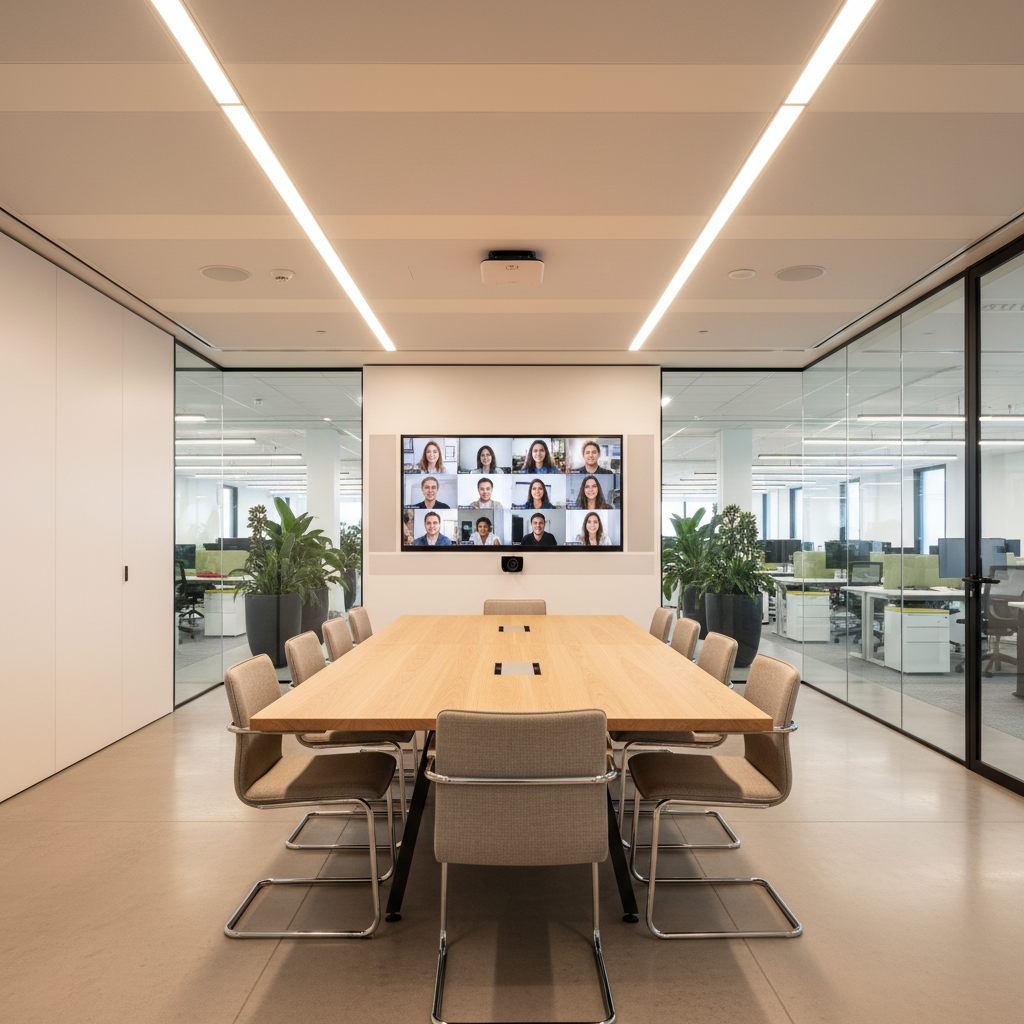
Creating effective hybrid meeting spaces requires a strategic approach to technology that balances the needs of in-person participants with those joining remotely. As organizations shift toward flexible work models, the demand for scalable av solutions has become a priority for businesses aiming to maintain productivity and collaboration. By focusing on modular hardware and interoperable software, companies can ensure their meeting environments are capable of adapting to various room sizes and team configurations. To explore professional-grade equipment designed to enhance these collaborative environments, you can visit Biamp for a comprehensive look at networked media systems. Implementing these systems correctly helps bridge the gap between physical and virtual presence, ensuring that every participant feels engaged regardless of their location.


Key considerations for scalable av solutions

The transition toward smaller, more agile huddle rooms represents one of the most significant trends in modern workplace design. Unlike traditional boardrooms, these spaces require compact yet powerful hardware that provides high-quality audio and video without overwhelming the room. Scalability is achieved by selecting components that can be easily integrated into existing infrastructures, such as unified communications platforms like Microsoft Teams or Zoom. By utilizing open architecture and standardized connections, organizations can avoid proprietary lock-in and simplify the process of upgrading technology as business needs evolve. This flexible approach is essential for maintaining a consistent user experience across different office locations and meeting types.

When planning for future growth, companies should prioritize several core hardware and software elements to maintain an equitable meeting experience:

Achieving true equity in a hybrid environment goes beyond just hardware; it requires thoughtful room layout and design. Gensler research indicates that the most successful spaces are those that intentionally account for remote participants by positioning cameras at eye level and ensuring that digital whiteboards are accessible to all. Furniture choices, such as modular tables, allow teams to rearrange spaces quickly to suit specific meeting goals, whether they are brainstorming or delivering a formal presentation. Furthermore, incorporating proper lighting and acoustics reduces fatigue and ensures that remote attendees can follow conversations clearly. When these design principles are combined with reliable networking technology, organizations create a foundation for long-term collaboration.

The final step in optimizing these environments involves consistent testing and data-driven iteration. By using iot sensors to monitor how rooms are actually used, facilities managers can make informed decisions about when and where to scale their av investment. Regular maintenance, including firmware updates and equipment audits, ensures that meeting technology remains intuitive and functional for every employee. By avoiding unnecessary complexity and focusing on user-friendly interfaces, organizations can foster a culture where technology supports, rather than hinders, the flow of ideas. With a clear roadmap for implementation, businesses can successfully navigate the complexities of hybrid work while ensuring their meeting spaces remain valuable assets for years to come.

editor@insightbynumbers.com