Homes of the Future: When Wi‑Fi Becomes Part of the Architecture

Homes of the Future: When Wi‑Fi Becomes Part of the Architecture
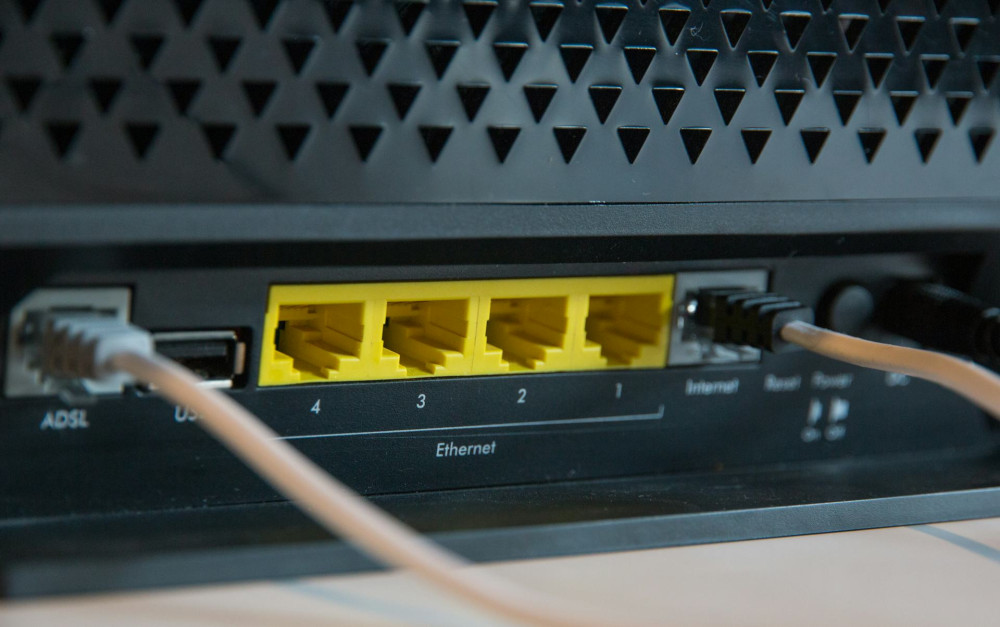
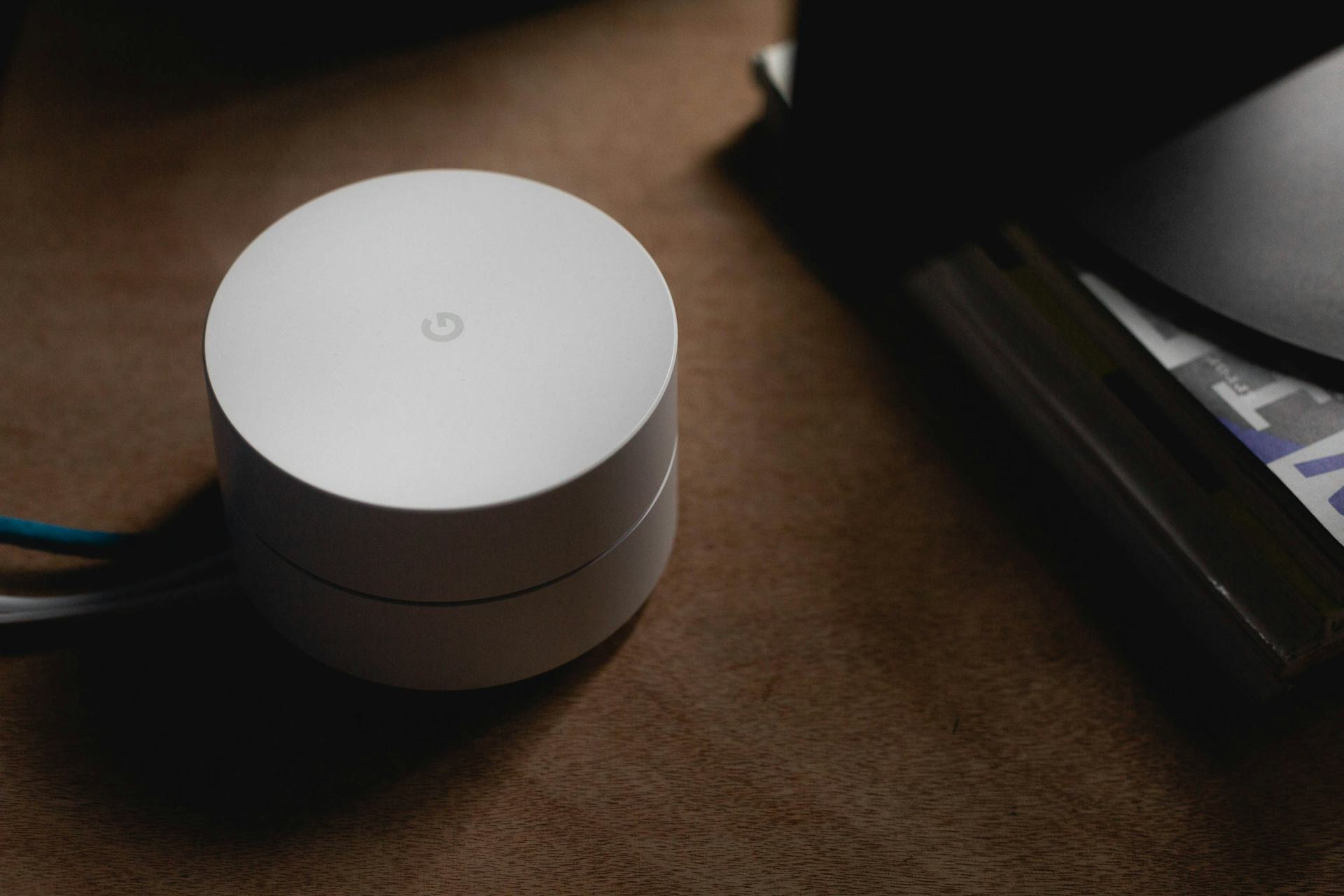
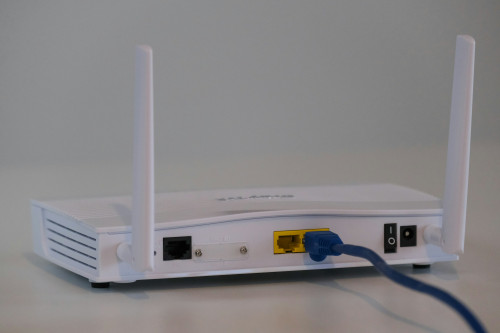
For years, wireless internet has been something we added to our homes after the fact — a router tucked in a corner, a few range extenders in the outlets, and a hope that the signal would reach the backyard. But as our homes become increasingly digital, Wi‑Fi is no longer just a convenience. It’s becoming part of the architecture itself. The homes of the future will be designed with network infrastructure in the walls, sensors in the ceilings, and intelligent systems that ensure seamless connectivity everywhere.
From Afterthought to Building Block
Architects have long considered light, ventilation, and acoustics when designing a house. In the coming years, wireless coverage will join that list as a fundamental design element. It’s not just about comfort — it’s about functionality. When everything from thermostats to doorbells and refrigerators connects to the internet, a stable Wi‑Fi signal becomes as essential as electricity and water.
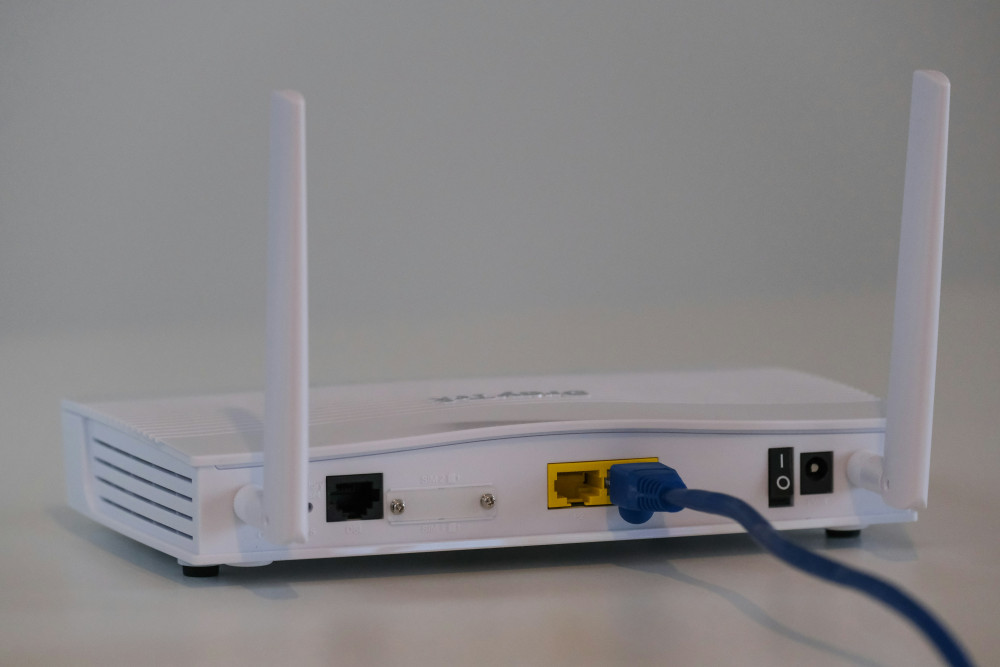
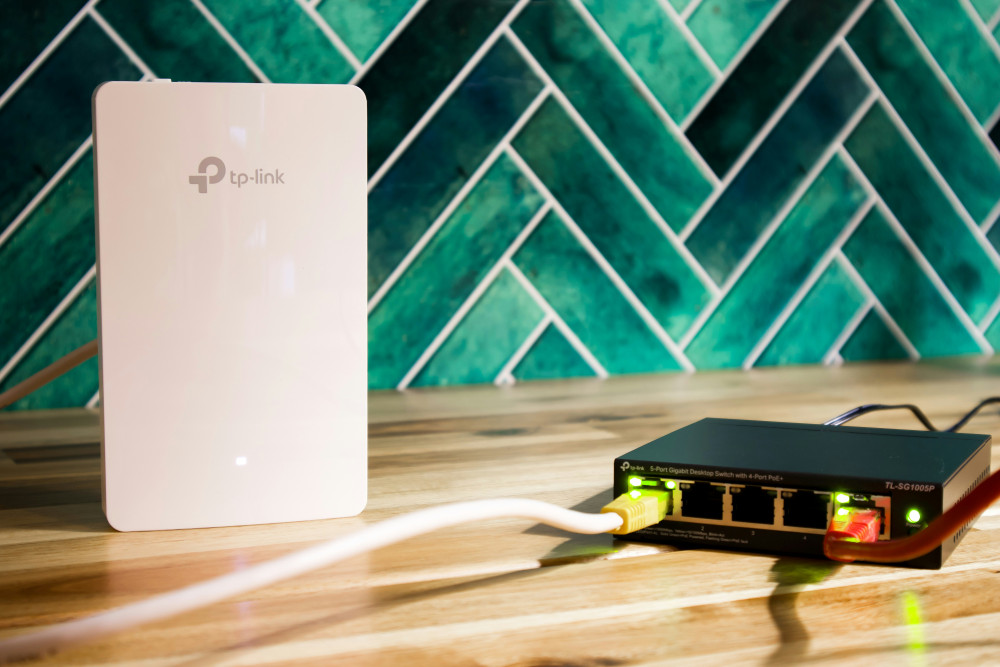
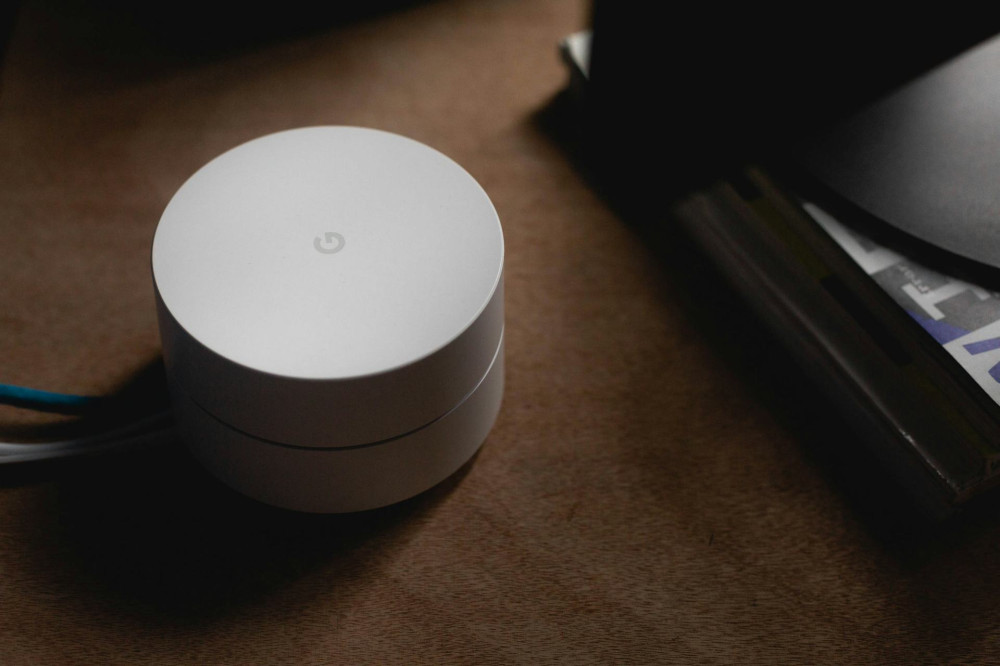
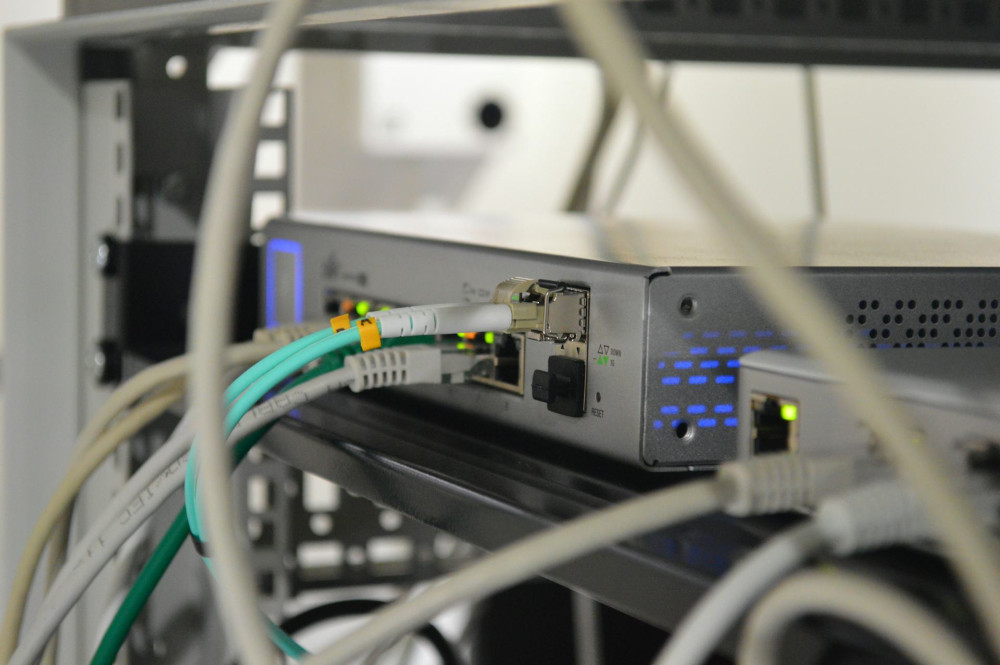
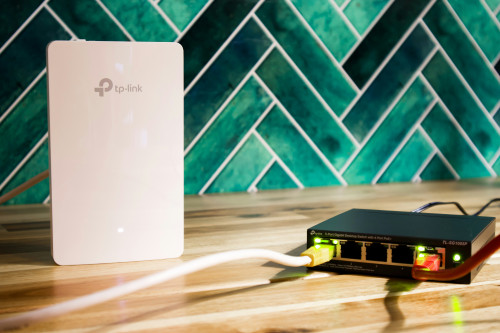
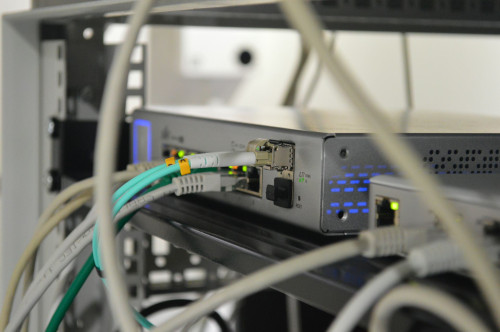
New residential developments across the U.S. are already integrating network cabling and access points directly into walls and ceilings, distributing the signal evenly throughout the home. This eliminates the need for visible routers and messy cables while improving reliability — even in rooms with thick walls or multiple connected devices.
Smart Homes Need Smart Infrastructure
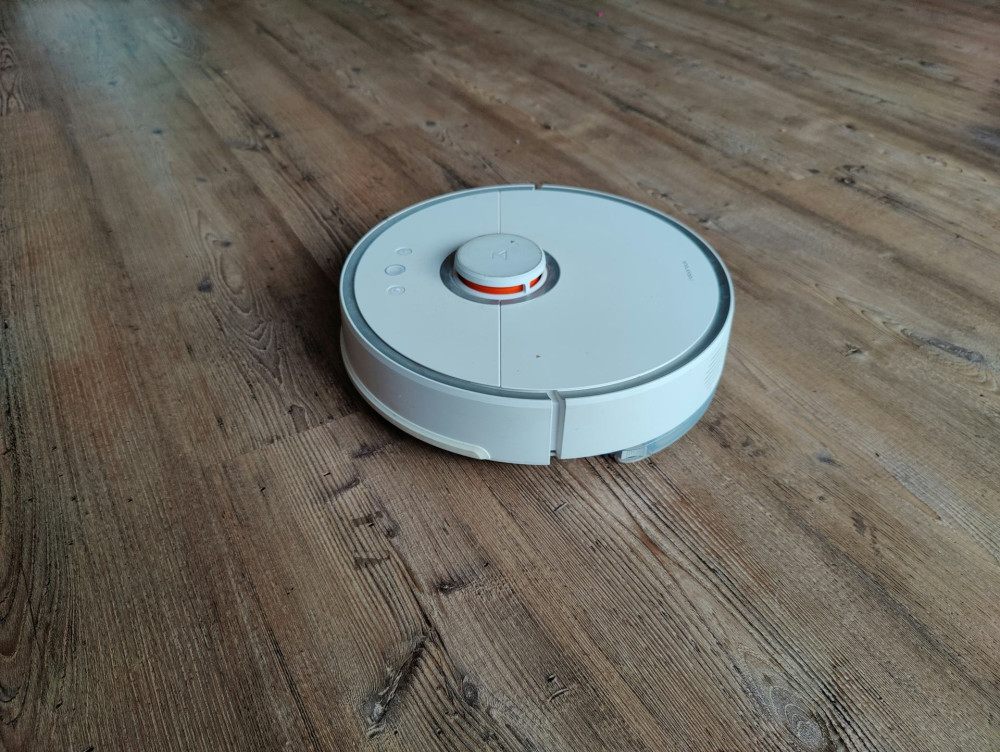
Today’s homes are filled with connected devices: voice assistants, security cameras, robot vacuums, and smart lighting systems. All of them depend on a strong, consistent internet connection to function properly. That means it’s no longer enough to have “good Wi‑Fi” — homeowners need a network designed to handle dozens of simultaneous connections without slowing down.
The new Wi‑Fi 6 and Wi‑Fi 7 standards are key to this evolution. They can manage more devices at once, reduce latency, and deliver faster speeds — crucial for homes packed with smart technology. In the near future, architects and network engineers will collaborate to strategically place access points so that coverage extends from the basement to the patio, ensuring that every corner of the property stays connected.
Materials That Work With the Signal
Traditional building materials like concrete, brick, and metal have always been Wi‑Fi’s biggest obstacles, blocking signals and creating dead zones. But new materials and construction methods are emerging to address that. Some manufacturers are developing wall panels and insulation that allow radio signals to pass through more easily, without compromising energy efficiency or soundproofing.
There’s also experimentation with integrated antennas built into structural elements — for example, within window frames or ceiling panels — that can amplify the signal invisibly. The result is a clean, modern aesthetic where technology disappears into the design, yet remains omnipresent and reliable.
Læs også:

Energy Efficiency and Sustainability
When Wi‑Fi becomes part of the architecture, it opens the door to smarter energy management. A connected network can coordinate power use among appliances, adjust heating and lighting automatically, and even communicate with the electrical grid to take advantage of renewable energy when it’s most available and affordable.
This means the homes of the future won’t just be more comfortable — they’ll be more sustainable. A well‑integrated network can help reduce energy consumption without sacrificing convenience, making digital connectivity a cornerstone of green living.
The Home as a Digital Ecosystem
As technology advances, the line between building and network will blur. The home will evolve into a digital ecosystem where architecture, software, and data work together. This shift will bring new responsibilities for both designers and residents: cybersecurity, privacy, and system updates will become as important as insulation and roof design.
But it will also redefine what comfort means. Imagine a home where you never lose connection — not to the internet, not to your devices, not to your energy systems. A home that anticipates your needs and adapts in real time. In the homes of the future, Wi‑Fi won’t just live in a box on a shelf — it will live in the very fabric of the building itself.
Læs også: