Download vs. Upload – What Do the Speeds Really Mean for Your Internet Connection?

Download vs. Upload – What Do the Speeds Really Mean for Your Internet Connection?
When you check your internet plan or run a speed test, you usually see two numbers: download speed and upload speed. They sit side by side, but many people aren’t quite sure what they actually mean—or why one is almost always higher than the other. In an age of streaming, remote work, and cloud storage, understanding both speeds is more important than ever.
What Is Download Speed?
Download speed measures how quickly data travels from the internet to your device. It affects nearly everything you do online, such as:
- Streaming movies and shows on Netflix, Hulu, or YouTube
- Downloading files, games, or software updates
- Browsing websites and loading images
- Listening to music on Spotify or Apple Music
The higher your download speed, the faster and smoother your online experience will be. If videos buffer or websites take forever to load, your download speed is likely the bottleneck.
Læs også:
What Is Upload Speed?
Upload speed is the opposite—it measures how fast data travels from your device to the internet. It becomes crucial when you:
- Join video calls on Zoom, Teams, or Google Meet
- Send large files via email or cloud services like Google Drive or Dropbox
- Post photos and videos to social media
- Play online games that constantly send data to a server
A slow upload speed can cause frozen video calls, lag in online games, or painfully long waits when uploading videos to YouTube or TikTok.
Why Is Download Usually Faster Than Upload?
Most internet connections in the U.S.—especially cable and DSL—are asymmetric, meaning they’re designed to provide much more bandwidth for downloading than uploading. That’s because most users consume far more data than they send.
However, as remote work, video conferencing, and cloud backups have become part of daily life, the need for faster upload speeds has grown. Fiber-optic internet providers like AT&T Fiber, Google Fiber, and Verizon Fios now offer symmetric connections, where download and upload speeds are the same. This balance makes a big difference for households with multiple users or anyone who works from home.
How Much Speed Do You Really Need?
It depends on how you use the internet. Here are some general guidelines:
- Light use (email, browsing, HD streaming): 50–100 Mbps download and around 10 Mbps upload is usually enough.
- Families with multiple users and 4K streaming: 200–500 Mbps download and 50 Mbps upload will keep things running smoothly.
- Remote work, gaming, and large file transfers: 500–1000 Mbps download and at least 100 Mbps upload—ideally through fiber—are recommended.
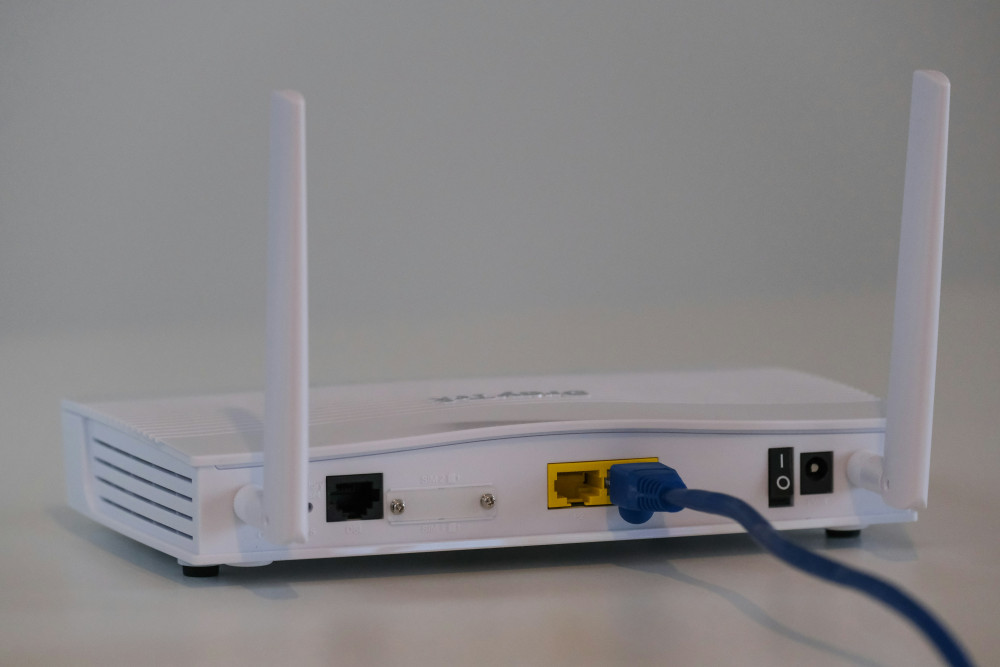
Keep in mind that Wi-Fi connections often deliver lower speeds than wired ones. If you want to get the most out of your plan, connect your computer directly to the router with an Ethernet cable when working or uploading large files.
How to Test Your Internet Speed
You can easily check your current speeds using an online speed test such as Ookla’s Speedtest.net or Fast.com. These tools show your download, upload, and ping (latency). For the most accurate results:
- Close other apps and downloads.
- Connect your device directly to the router with a cable.
- Run the test several times at different times of day.
If your speeds are consistently lower than what you’re paying for, the issue could be your router’s placement, outdated equipment, or network congestion. In that case, contact your internet service provider for help.
The Future: More Symmetry and Higher Expectations
As more Americans work remotely, stream in 4K or 8K, and rely on cloud-based tools, upload speed is becoming just as important as download speed. Technologies like fiber and 5G are making it possible to deliver nearly equal speeds in both directions, changing what we consider a “fast” connection.
In the near future, we’ll likely see more services that depend on high upload speeds—from virtual reality meetings to real-time collaboration and advanced online gaming.
Conclusion: Both Speeds Matter
While download speed still gets most of the attention, upload speed has become a key factor in a smooth, modern internet experience. A fast connection isn’t just about receiving data—it’s also about sharing, sending, and communicating without delays.
In short: if you want an internet connection that keeps up with your lifestyle—whether you’re streaming, working, or creating—make sure to look at both numbers the next time you choose a plan.
Læs også: