Esports and Gear: How Much Do Your Monitor, Keyboard, and Mouse Affect Your Performance?

Esports and Gear: How Much Do Your Monitor, Keyboard, and Mouse Affect Your Performance?
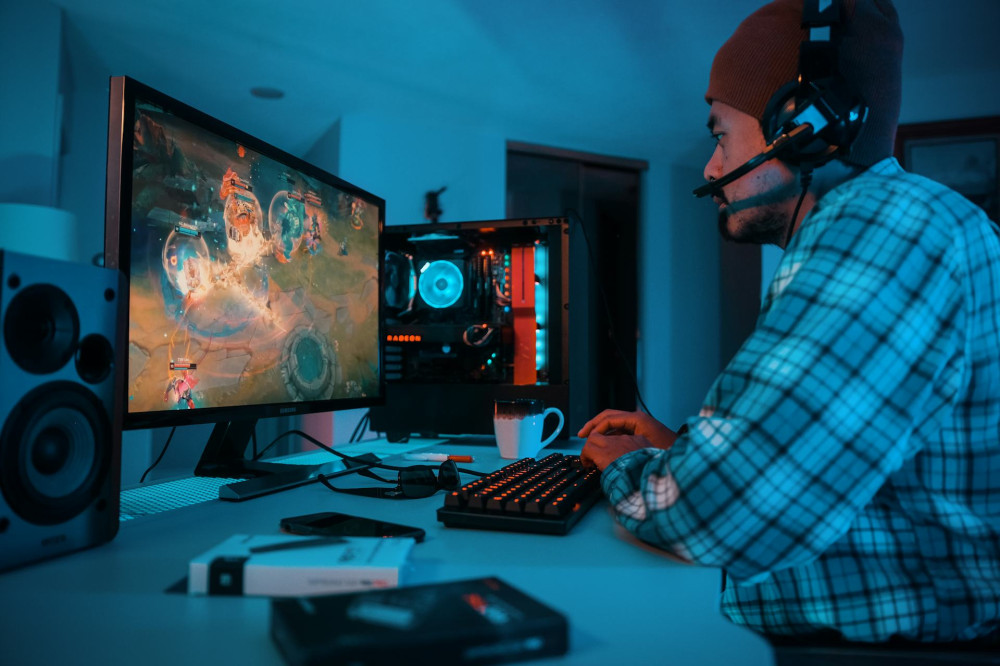
When you watch professional esports players compete, their precision and lightning-fast reactions can seem almost superhuman. But behind every headshot, perfect combo, or clutch play lies not only hours of practice but also carefully chosen equipment. In competitive gaming, your monitor, keyboard, and mouse aren’t just tools—they’re extensions of your performance. The question is: how much do they really matter?
The Monitor – Your Window Into the Game
Your monitor is the lens through which you experience the game world. For esports players, it’s not just a display—it’s a competitive advantage.
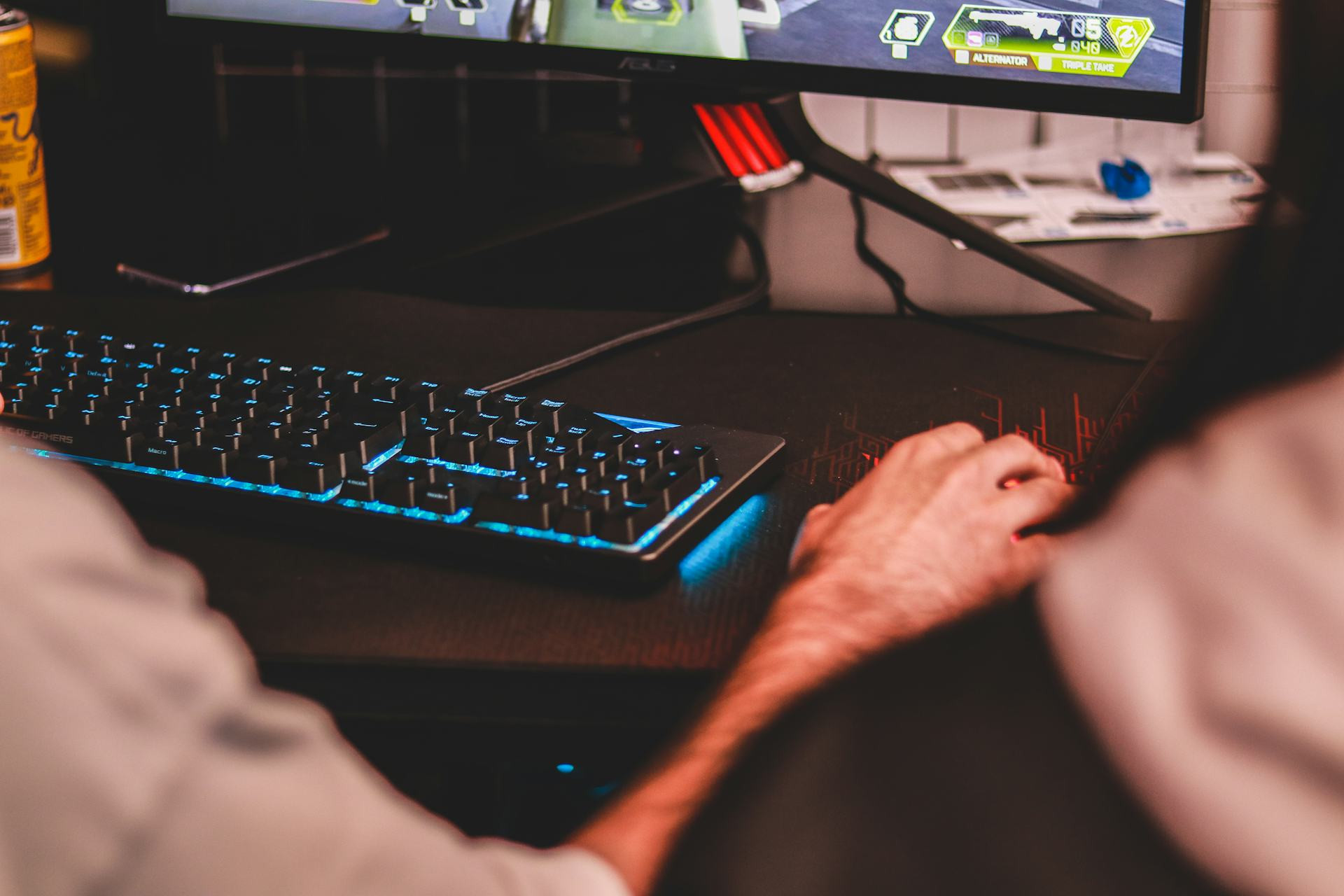
Refresh rate and response time are the two specs that matter most. A 144Hz or 240Hz monitor refreshes the image far more often than a standard 60Hz screen, making motion look smoother and allowing you to react faster to what’s happening. A low response time (typically 1 millisecond) minimizes the delay between your input and what you see on screen.
For casual gamers, the difference might seem subtle, but in competitive titles like Valorant, Counter-Strike 2, or Call of Duty, milliseconds can decide the outcome of a match. That’s why most professional players invest in high-refresh-rate monitors optimized for their specific game genre—whether it’s fast-paced shooters or strategy-based MOBAs.
Læs også:
The Keyboard – Precision in Every Keystroke
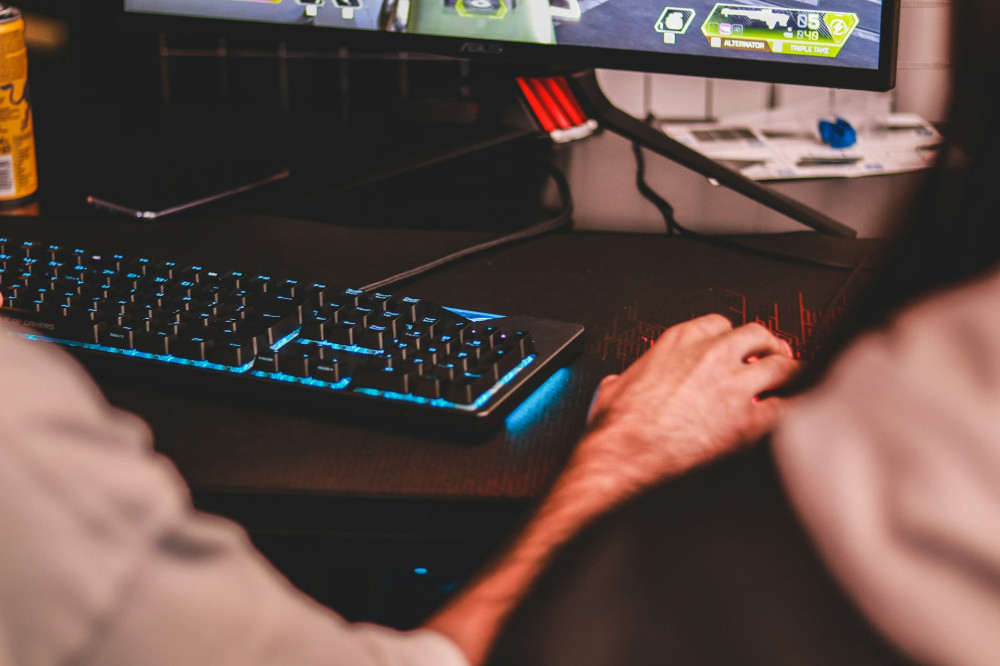
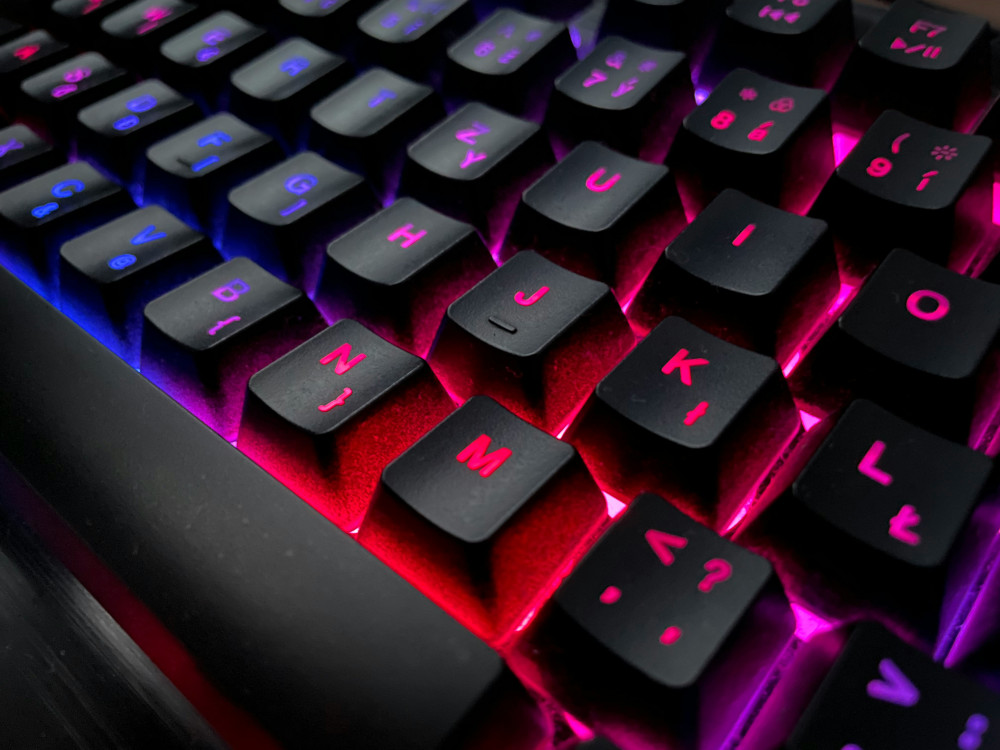
A keyboard might look simple, but in esports, it’s all about precision, comfort, and speed. Most pros use mechanical keyboards, where each key has its own switch mechanism. This design provides a more consistent and tactile response than the rubber dome keyboards found in most offices.
There are different types of mechanical switches—some require more force to press, while others activate with the lightest touch. The choice depends on personal preference and playstyle. A player who needs rapid inputs in a shooter might prefer linear switches for smooth, fast actuation, while a strategy player might favor tactile switches that provide clear feedback.
Ergonomics also matter. Long practice sessions can strain your hands and wrists, so many players choose compact layouts or keyboards with wrist rests to maintain comfort and reduce fatigue.
The Mouse – An Extension of Your Hand
If there’s one piece of gear that feels truly personal, it’s the mouse. It needs to feel like a natural extension of your hand, and even small differences in shape, weight, or sensor quality can affect your aim and control.
Sensor accuracy is key. A good esports mouse tracks even the smallest movements without lag or jitter. DPI (dots per inch) measures sensitivity, but higher isn’t always better. Many pros actually use lower DPI settings to gain more precise control over their movements.
Weight and shape are a matter of preference. Some players prefer ultra-light mice that glide effortlessly across the mousepad, while others like heavier models for added stability. And while wireless mice once had a reputation for lag, modern wireless technology has virtually eliminated delay—so much so that many top players now use them in tournaments.
The Balance Between Gear and Skill
Even the best gear won’t automatically make you a better player. It can give you the tools to perform at your best, but skill, practice, and focus are what truly make the difference. Professional players spend months fine-tuning their setups—adjusting sensitivity, key bindings, and monitor settings—to create a consistent and comfortable environment.
Consistency is the goal. When your mouse moves exactly as you expect, your keyboard responds predictably, and your monitor displays every frame clearly, you can focus entirely on gameplay instead of your equipment.
The Bottom Line – Gear Helps, But It’s Not Everything
Your gear can give you an edge, but it’s not a shortcut to success. A high-refresh-rate monitor and a precise mouse can improve your reaction time and comfort, but without game knowledge, strategy, and teamwork, you’ll still be outplayed by more skilled opponents.
For most players, it’s about finding the right balance—equipment that fits your needs and budget without going overboard. The most important thing is that your setup feels right for you. When your gear feels natural, you can focus on what really matters: playing your best game.
Læs også: