Think Like a Programmer: When Logical Thinking Meets Creative Problem Solving

Think Like a Programmer: When Logical Thinking Meets Creative Problem Solving
Thinking like a programmer isn’t just about writing code. It’s about seeing the world as a system of patterns, rules, and possibilities—and having the courage to challenge them. At its core, programming is where logic meets creativity. It’s the ability to analyze a problem, find structure, and then build something new from it.
Logic as the Foundation
Every programmer begins with logic. It’s what allows you to understand how a system works and how to make it do what you want. Logical thinking means breaking complex problems into smaller parts, identifying cause and effect, and creating clear rules for how things connect.
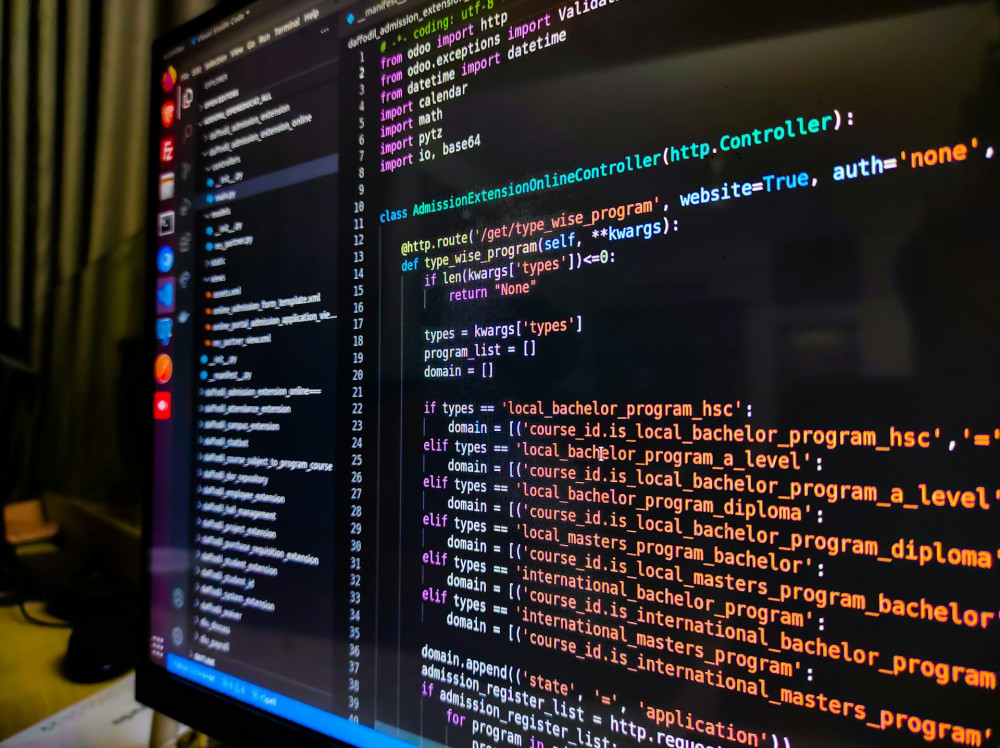
When you write a program, you constantly ask questions like: What happens if this condition isn’t met? or How can I make sure the system responds correctly no matter the input? It takes precision and structure—but also patience. Logic shows you the path, but not necessarily the best way to walk it.
Creativity as the Driving Force
Creativity in programming isn’t about painting with colors—it’s about finding new ways to solve old problems. It’s the ability to think beyond the obvious and see opportunities where others see limitations. A good programmer doesn’t just ask, How do I make this work? but also, How can I make it smarter, faster, or more elegant?
Creative problem solving shows up when you combine familiar techniques in new ways or experiment with unconventional approaches. It might mean writing a simple script to automate a tedious task or designing an interface that makes complex features intuitive. Creativity is what turns a functional solution into an inspiring one.
Mistakes as Learning Opportunities
A key part of thinking like a programmer is seeing mistakes as a natural part of the process. No code is perfect on the first try. Error messages, bugs, and unexpected results aren’t failures—they’re clues pointing you toward a deeper understanding.
Debugging requires both logic and creativity. You need to analyze where the problem occurs, but also think outside the box to uncover the cause. Often, the toughest bugs teach you the most. They force you to understand the system on a deeper level—and that’s where real growth happens.
Collaboration and Communication
Although programming is often associated with solitary focus, it’s now a deeply collaborative discipline. Large projects depend on teams of people who must understand each other’s ideas and code. That’s why communication is a central part of thinking like a programmer.
Being able to explain complex ideas clearly, write code that others can read, and give constructive feedback is just as important as solving technical problems. Logical thinking helps you structure your arguments, while creativity helps you find common ground when the team hits a roadblock.
Læs også:
Programming as a Mindset
Many people who learn to program discover that the mindset extends far beyond the screen. You start to see patterns in everyday life, think in processes, and optimize small routines. You learn to break big problems into manageable steps—and to accept that mistakes are part of learning.
Thinking like a programmer is more than a technical skill; it’s a way of understanding the world. It’s about combining structure with curiosity, logic with intuition—and daring to create something new from what you already know.
Læs også: