Investment Platforms Compared: What Should You Look For?


Investment Platforms Compared: What Should You Look For?
In recent years, the number of online investment platforms available to U.S. investors has exploded. Whether you’re a beginner looking to invest your first savings or an experienced trader seeking lower fees, the choices can be overwhelming. Each platform promises ease of use, low costs, and access to global markets—but the differences can be significant. Here’s a guide to what you should consider before deciding where to invest your money.
Know Your Investor Profile
Before choosing a platform, take time to understand your own investing style. Ask yourself:
- How active do I want to be? Do I plan to trade frequently, or prefer a more hands-off approach?
- What level of risk am I comfortable with?
- How much time do I want to spend monitoring the market?
If you’re new to investing, a platform offering automated solutions—such as robo-advisors or pre-built portfolios—can be a great starting point. More experienced investors who want full control may prefer a platform with a wide range of stocks, ETFs, and research tools.
Fees and Costs – The Hidden Difference
Even small differences in fees can have a big impact on your returns over time. Compare:
- Trading commissions – What does it cost to buy and sell securities?
- Account maintenance fees – Are there charges for holding your investments?
- Expense ratios – How much do mutual funds or ETFs cost annually?
- Currency conversion fees – If you trade international assets, what are the exchange costs?
- Advisory or management fees – Especially relevant for robo-advisors or managed accounts.
Some platforms advertise “zero commissions,” but may earn money through payment for order flow, wider spreads, or higher fund costs. Always read the fine print.
Range of Products and Markets
A broad selection of investment options allows you to diversify your portfolio. Check whether the platform offers:
- U.S. and international stocks
- ETFs and mutual funds
- Bonds, options, or commodities
- Access to alternative assets like crypto or real estate funds
- Retirement accounts such as IRAs or 401(k) rollovers
If you’re investing for the long term, choosing a platform that supports tax-advantaged accounts can make a big difference in your after-tax returns.
Ease of Use and Technology
A good investment platform should be intuitive and reliable. Consider:
- Is the interface easy to navigate on both desktop and mobile?
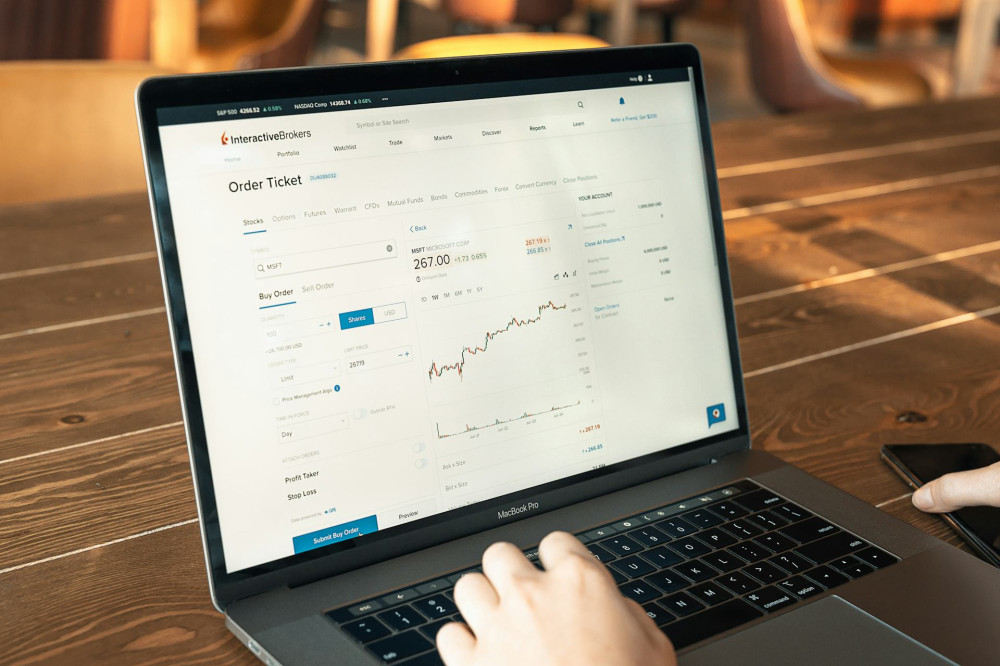
- Does it provide charts, research, and news to help you make informed decisions?
- Can you set up automatic investments or recurring deposits?
For many retail investors, simplicity matters more than advanced trading features. A platform that makes it easy to track performance and stay consistent with your strategy can help you stay invested through market ups and downs.
Security and Regulation
When investing online, you need to trust that your money and data are safe. Make sure the platform:
- Is registered with the Securities and Exchange Commission (SEC) or Financial Industry Regulatory Authority (FINRA)
- Offers SIPC insurance, which protects securities up to $500,000 (including $250,000 for cash)
- Uses strong encryption and two-factor authentication
Avoid platforms that don’t clearly disclose where they’re regulated or that promise unrealistic returns. Reputable providers are transparent about their licenses, risks, and security measures.
Customer Support and Education
Even the best technology can’t replace good customer service. Check how you can get help:
- Is there live chat, phone, or email support—and during what hours?
- Are there educational resources like webinars, tutorials, or market insights?
- How does the platform handle complaints or technical issues?
If you’re new to investing, a platform with accessible support and strong learning materials can make a big difference in your confidence and success.
Læs også:



Compare – But Choose Based on Your Needs
There’s no single “best” investment platform. The right choice depends on your goals, experience, and how much time you want to spend managing your portfolio. Some platforms are low-cost but require you to make all the decisions yourself. Others charge slightly more but offer automation, advice, or premium tools.
The key is to choose a platform that fits your investing style—and to understand exactly what you’re paying for. A thoughtful decision today can save you both money and frustration in the future.
Læs også: