Home Energy Use: Identify the Biggest Power Hogs and Optimize Energy Management

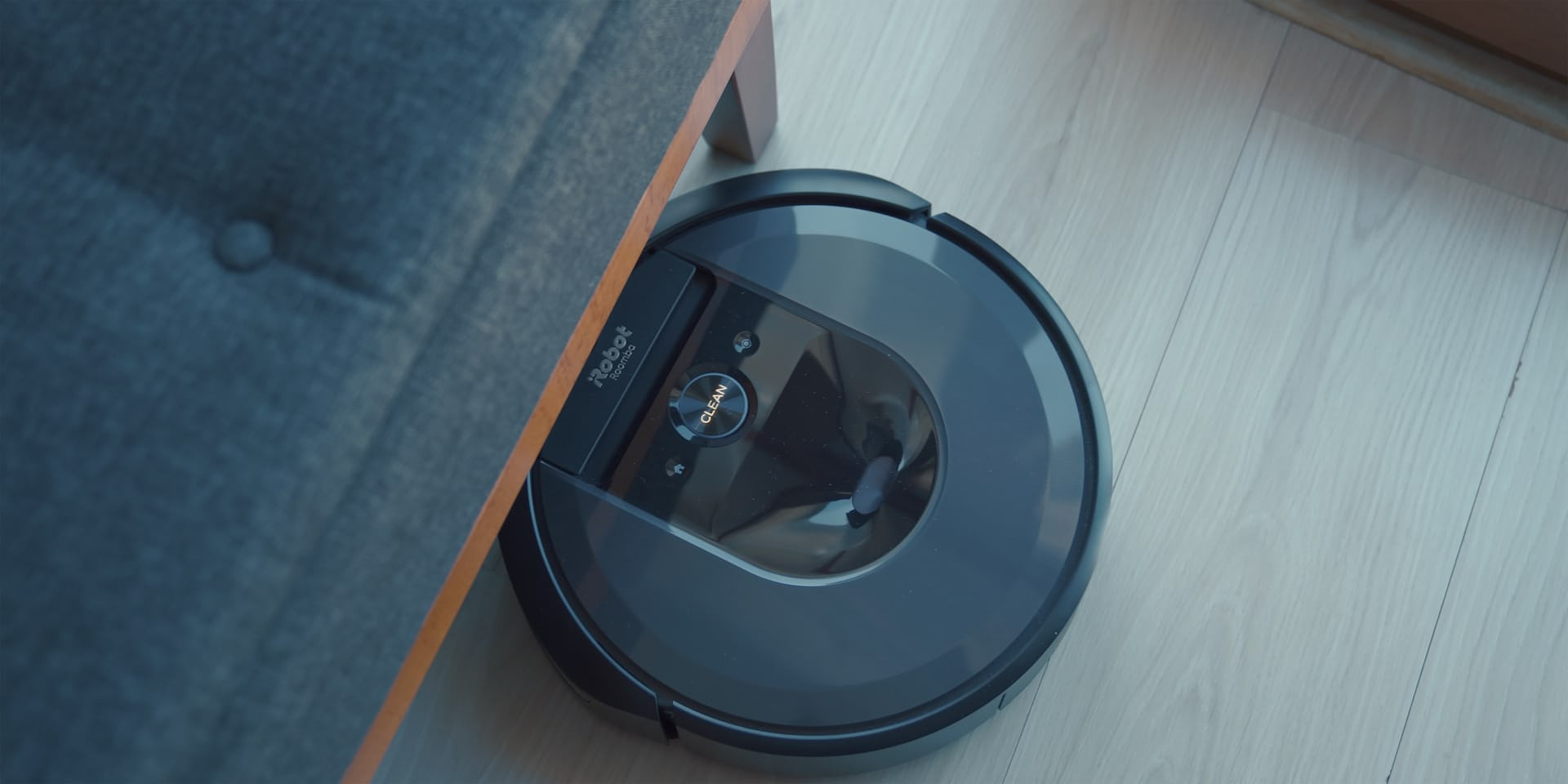
Home Energy Use: Identify the Biggest Power Hogs and Optimize Energy Management
For many American households, the electric bill is one of the most noticeable monthly expenses—especially when energy prices rise or extreme weather drives up heating and cooling needs. But where does all that electricity actually go, and how can you take control of your usage? By identifying the biggest power hogs and using smart energy management strategies, you can save money and reduce your environmental footprint. Here’s how to make your home more energy-efficient.
Know Your Biggest Power Hogs
The first step toward lowering your energy use is understanding which appliances consume the most electricity. In most U.S. homes, a few key systems account for the majority of power consumption.
- Heating and cooling systems (HVAC) – Air conditioning and electric heating are often the largest energy users, sometimes making up nearly half of a home’s total electricity use. Poor insulation or outdated systems can make this even worse.
- Water heating – Electric water heaters run frequently and can be a major contributor to your bill, especially in larger households.
- Refrigerators and freezers – These run 24/7, and older models can be particularly inefficient.
- Laundry appliances – Washers and dryers, especially when used with hot water or high heat, consume a lot of energy.
- Dishwashers – Convenient but energy-intensive, particularly if used for small or half-full loads.
- Electronics and standby power – TVs, game consoles, routers, and chargers draw power even when not in active use. This “phantom load” can account for 5–10% of your total electricity use.
Once you know which devices are the biggest culprits, you can focus your efforts where they’ll have the greatest impact.
Smart Ways to Cut Energy Use
After identifying your main power hogs, the next step is to make targeted improvements. Small changes in habits and equipment can lead to big savings.
- Upgrade old appliances – Look for ENERGY STAR® certified models, which use significantly less electricity than older units.
- Adjust temperature settings – Wash clothes in cold water, lower your water heater to 120°F, and use your dryer less often by air-drying when possible.
- Run full loads – Whether it’s the dishwasher, washing machine, or oven, running full loads maximizes efficiency.
- Eliminate standby power – Use power strips or smart plugs to completely shut off electronics when not in use.
- Use natural light and ventilation – Open blinds during the day and use fans to circulate air before turning on the AC.
These simple steps don’t require major investments but can quickly make a noticeable difference on your electric bill.
Smart Home Solutions for Energy Management
Technology now makes it easier than ever to monitor and control your home’s energy use. A smart home system can help you optimize consumption automatically.
- Smart thermostats learn your schedule and adjust heating and cooling based on when you’re home.
- Smart plugs track the energy use of individual devices and can turn them off automatically when not needed.
- Energy monitors provide real-time data on your home’s electricity use through an app, helping you spot inefficiencies.
- Automation can ensure lights and HVAC systems turn off when you leave, or that your EV charges when electricity rates are lowest.
These tools make energy management effortless and can lead to long-term savings.
Consider Time-of-Use Rates and Peak Hours
In many parts of the U.S., electricity prices vary throughout the day. Shifting your energy use to off-peak hours can reduce costs and ease strain on the grid.
- Run dishwashers and washing machines late at night or early in the morning.
- Charge electric vehicles during off-peak hours.
- Use timers or smart home features to automate these tasks.
A little planning can go a long way toward lowering your monthly bill—especially if your utility offers time-of-use pricing.
Make Energy Savings a Habit
Energy efficiency isn’t just about technology—it’s also about behavior. Small daily habits can add up to big results over time.
Turn off lights when leaving a room, avoid overcooling or overheating your home, and check that your refrigerator and freezer are set to optimal temperatures. Get the whole family involved—kids can be great at reminding adults to save energy.
Once you start noticing where energy is wasted, finding new ways to improve becomes second nature.
Læs også:
A More Sustainable and Cost-Effective Home
Reducing your home’s energy use isn’t just about saving money—it’s also a step toward a more sustainable lifestyle. By combining mindful habits, modern technology, and ongoing awareness, you can create a home that’s comfortable, efficient, and environmentally friendly.
Læs også: